
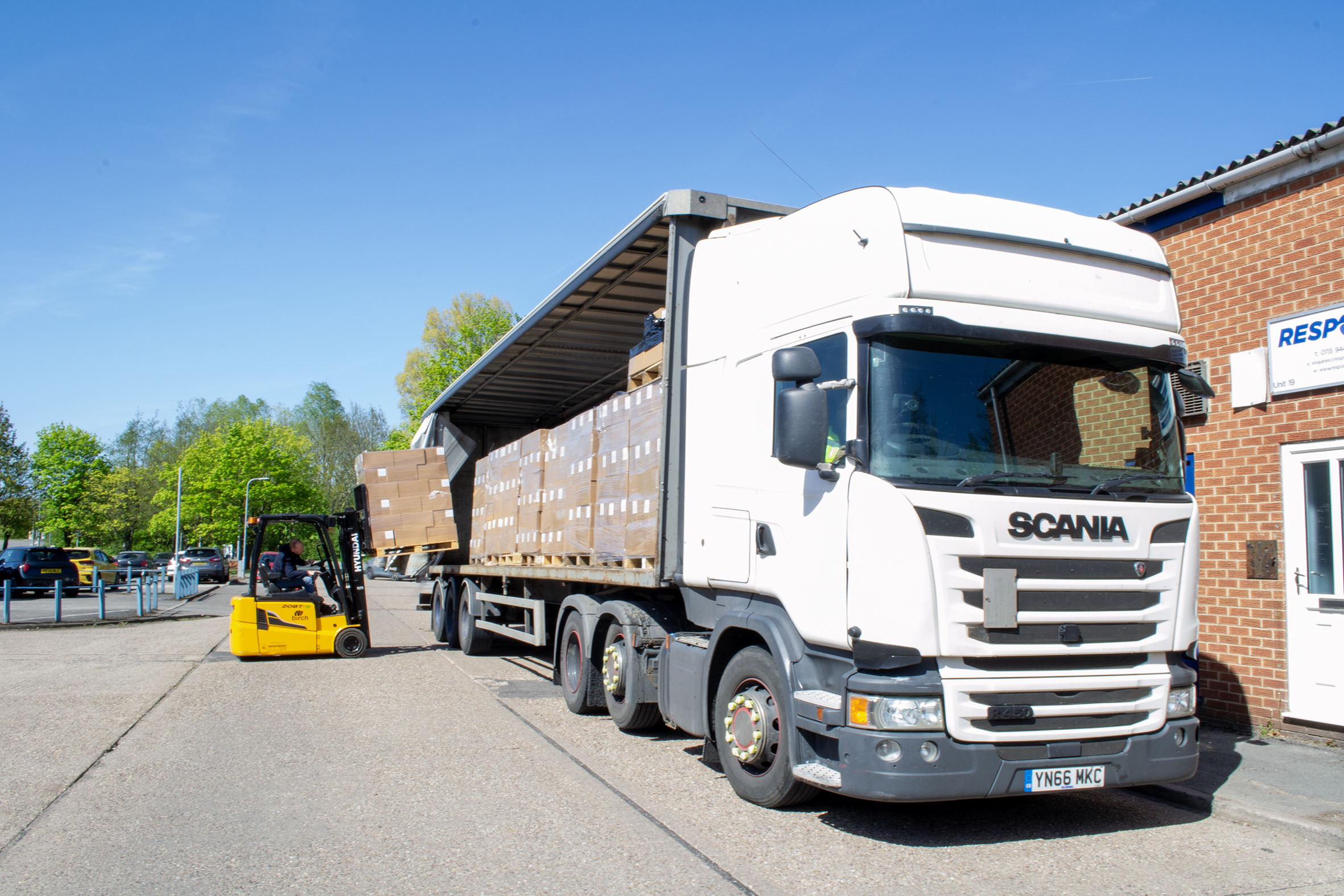
When a product rollout gets complicated, print is rarely the problem. Coordination is.
You can have the right packaging, the right labels, the right campaign assets, but if they do not arrive in the right place, in the right quantities, at the right time, the whole rollout starts to slip. That is where print fulfilment services come in. Not as an add on, but as the part that keeps everything moving.
Product launches rarely happen in one place
Most rollouts are not a single delivery to a single location. They are split across regions, stores, partners or internal teams, often with slight variations depending on where they are going.
A retail launch might need different point of sale packs for flagship stores versus smaller locations. A product update might require revised labels, updated packaging and new training materials, all shipped to different destinations. A franchise rollout might involve hundreds of locations, each needing a consistent but tailored set of materials.
Without structure, this quickly becomes messy. Items get missed, versions get mixed up, and timelines start to drift.
Where print fulfilment actually fits
Print fulfilment services sit between production and delivery. It is not just about printing materials, it is about managing what happens next.
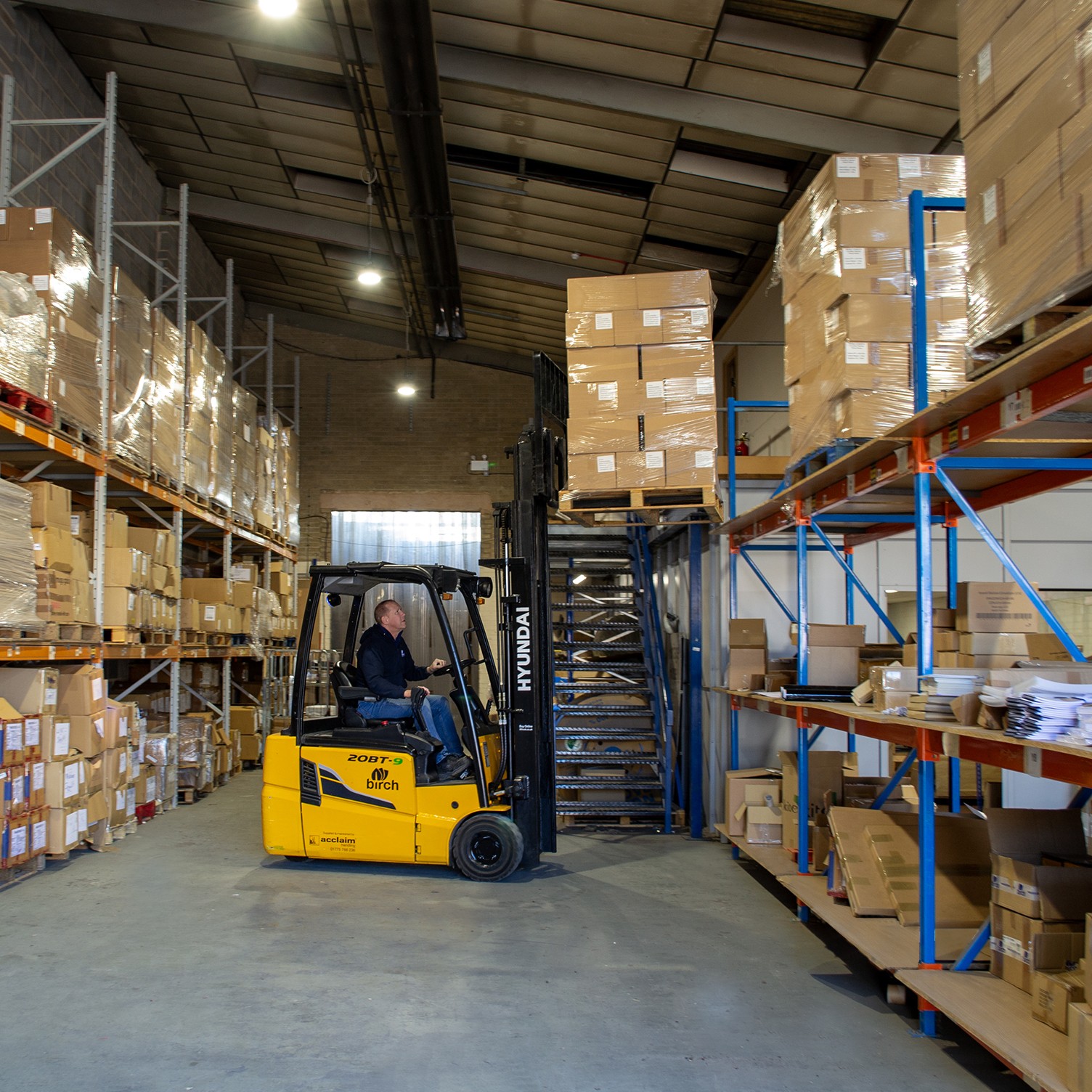
That includes storing items, grouping them into the right combinations, packing them correctly and sending them out in a controlled way. It also includes tracking what has gone where, what is still in stock and what needs to be replenished.
This is especially useful when different elements need to come together. Labels, packaging, inserts and promotional materials often arrive from different production runs. Fulfilment brings those together into one coordinated output.
For a clearer picture of how this works in practice, this breakdown of print fulfilment and delivery shows how materials move from production into distribution without gaps in between.
Managing variation without losing control
One of the biggest challenges in complex rollouts is variation.
Different stores might need different quantities. Some locations might require additional items. Others might need localised versions of the same material. Managing that manually is where errors creep in.
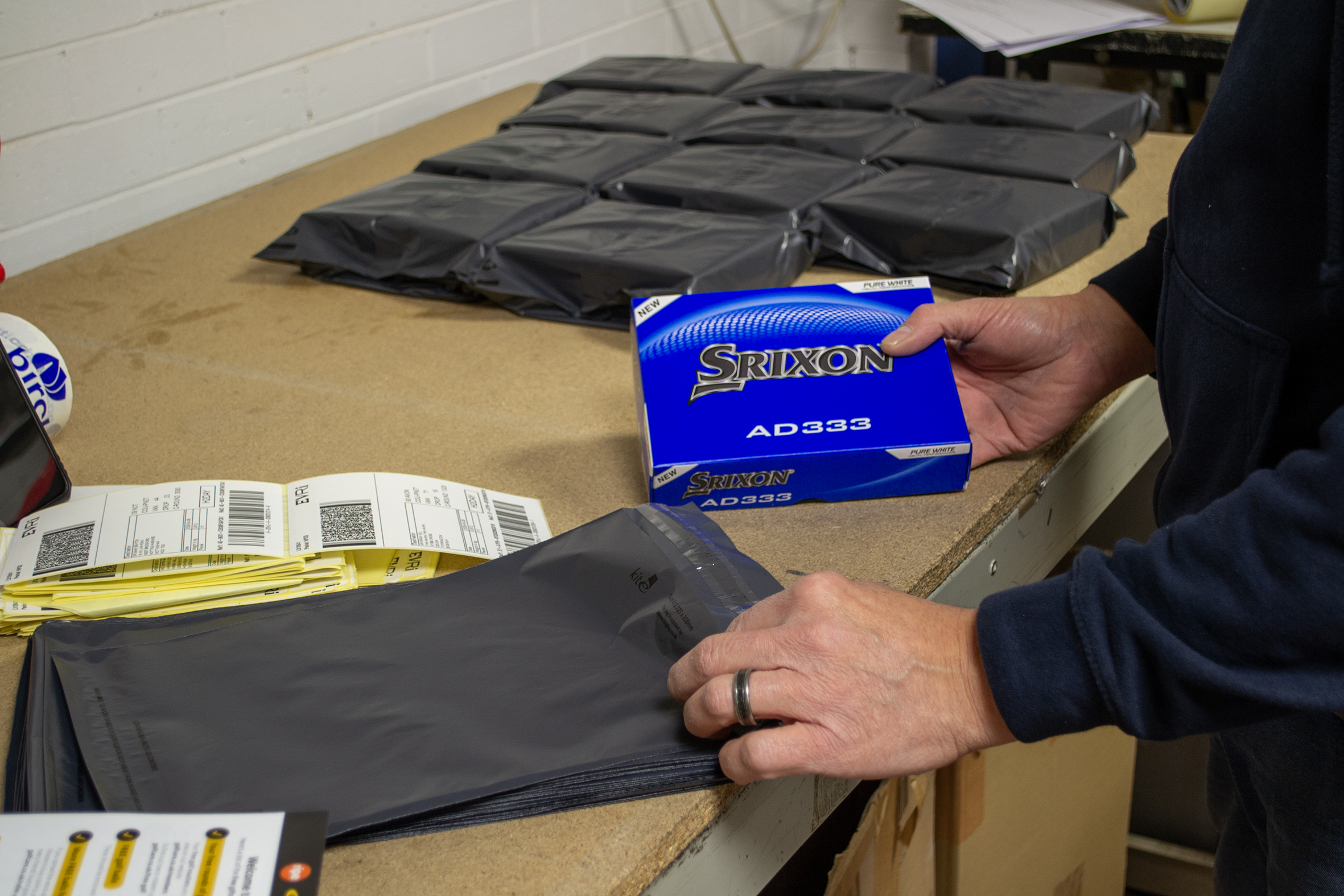
Print fulfilment services handle this by building structured kits. Each location gets exactly what it needs, packed in advance, labelled clearly and dispatched in a controlled sequence.
This is particularly useful for multi site businesses, where consistency matters just as much as flexibility. A campaign might look identical across locations from the outside, but behind the scenes each pack has been tailored.
Keeping timelines realistic
Production deadlines are only part of the picture. What often gets underestimated is how long it takes to organise, pack and distribute materials at scale.
If hundreds or thousands of kits need to be assembled, relying on internal teams or ad hoc processes slows everything down. It also introduces risk, especially when teams are already stretched.
Print fulfilment services take that pressure away. Packing, picking and dispatch are handled as part of the process, not as an afterthought. That means timelines are based on what actually needs to happen, not what looks possible on paper.
For businesses dealing with high volumes or ongoing distribution, this is often supported by a wider third party logistics setup, where storage, stock management and dispatch are all handled in one place.
Reducing errors across multiple touchpoints
The more moving parts a rollout has, the more opportunities there are for mistakes.
Incorrect versions being sent out. Missing items in packs. Over or under ordering. Delays caused by rework or reprints.
Print fulfilment services reduce this by centralising control. Materials are checked, organised and packed using consistent processes. Stock levels are tracked, so reorders happen when they are needed, not when something runs out unexpectedly.
This is particularly important when labels or packaging are involved. A small error at that level can have a knock on effect across the entire rollout.
Scaling without increasing complexity
What works for a small rollout often breaks down at scale.
Sending ten packs manually is manageable. Sending a thousand, each with different requirements, is not.
Print fulfilment services allow businesses to scale without adding complexity. The same structured approach can be applied whether you are sending to ten locations or a thousand.
This is where having a single partner managing both print and fulfilment becomes useful. It removes the gaps between suppliers and keeps everything aligned from production through to delivery. Working with a provider that understands both sides, like Birch Print, means fewer handoffs and less room for things to go wrong.
You can see how this connects across their wider services offering, where print, storage and distribution are treated as part of the same process rather than separate steps.
Why it matters more than it seems
Print is often judged on quality and cost, but in complex rollouts, reliability is just as important.
If materials arrive late, incomplete or incorrect, the impact goes beyond print. Launch dates shift. Campaigns lose momentum. Teams spend time fixing issues instead of moving forward.
Print fulfilment services help avoid that. They keep materials organised, distribution controlled and timelines realistic.
For any business managing product launches across multiple locations, that level of coordination is not a luxury. It is what keeps the rollout on track.
If you are planning a rollout and want to avoid gaps between print and delivery, speak to the team at Birch.


