
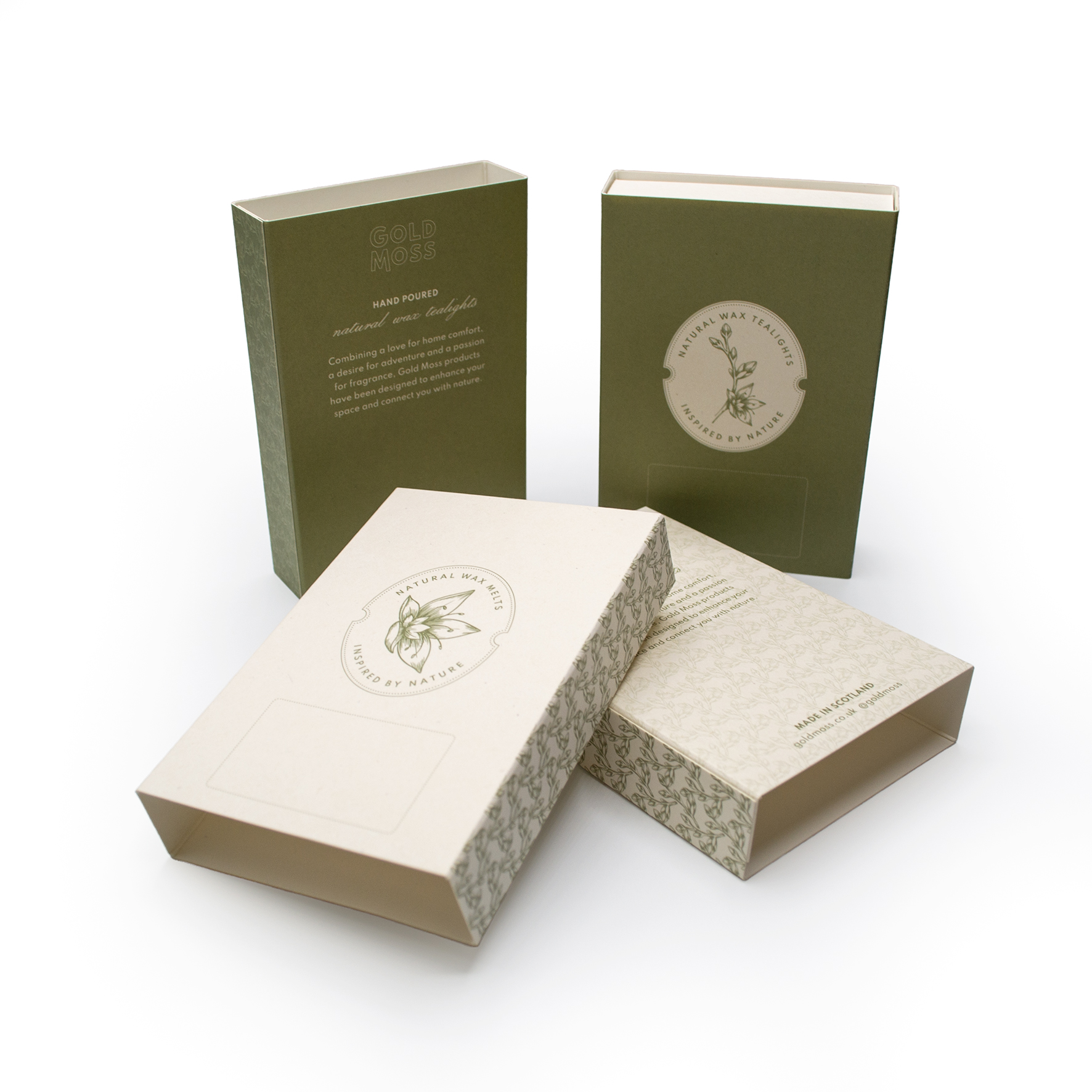
Printed packaging sits at the intersection of production, logistics, compliance, and brand presentation. Getting it right means thinking about more than just what it looks like. The decisions you make early in the process affect lead times, unit costs, minimum quantities, and whether the finished piece actually does its job.
A few things are worth knowing before you brief a supplier.
Structure first, graphics second
The most common mistake with custom packaging is starting with the design and working backwards to the structural requirements. The right approach is the opposite: establish the structural brief first, then design into that.
The structure needs to account for the dimensions of what’s going inside, how it will be packed and fulfilled, what protection the contents need in transit, and what the end user’s unboxing experience should feel like. Once you know those parameters, you can design within them confidently.
Designing without those parameters means there’s a real risk that the finished artwork doesn’t work structurally, or that it needs to be significantly revised once structural testing reveals problems.
Materials have more variables than most people expect
If sustainability is a priority, it’s worth specifying that upfront rather than asking for it to be retrofitted. Sustainable materials and production methods are easier to build into the brief from the start than to add in later.
Birch’s approach to sustainable packaging is set out in more detail on the product packaging page, which covers the range of materials and options available.
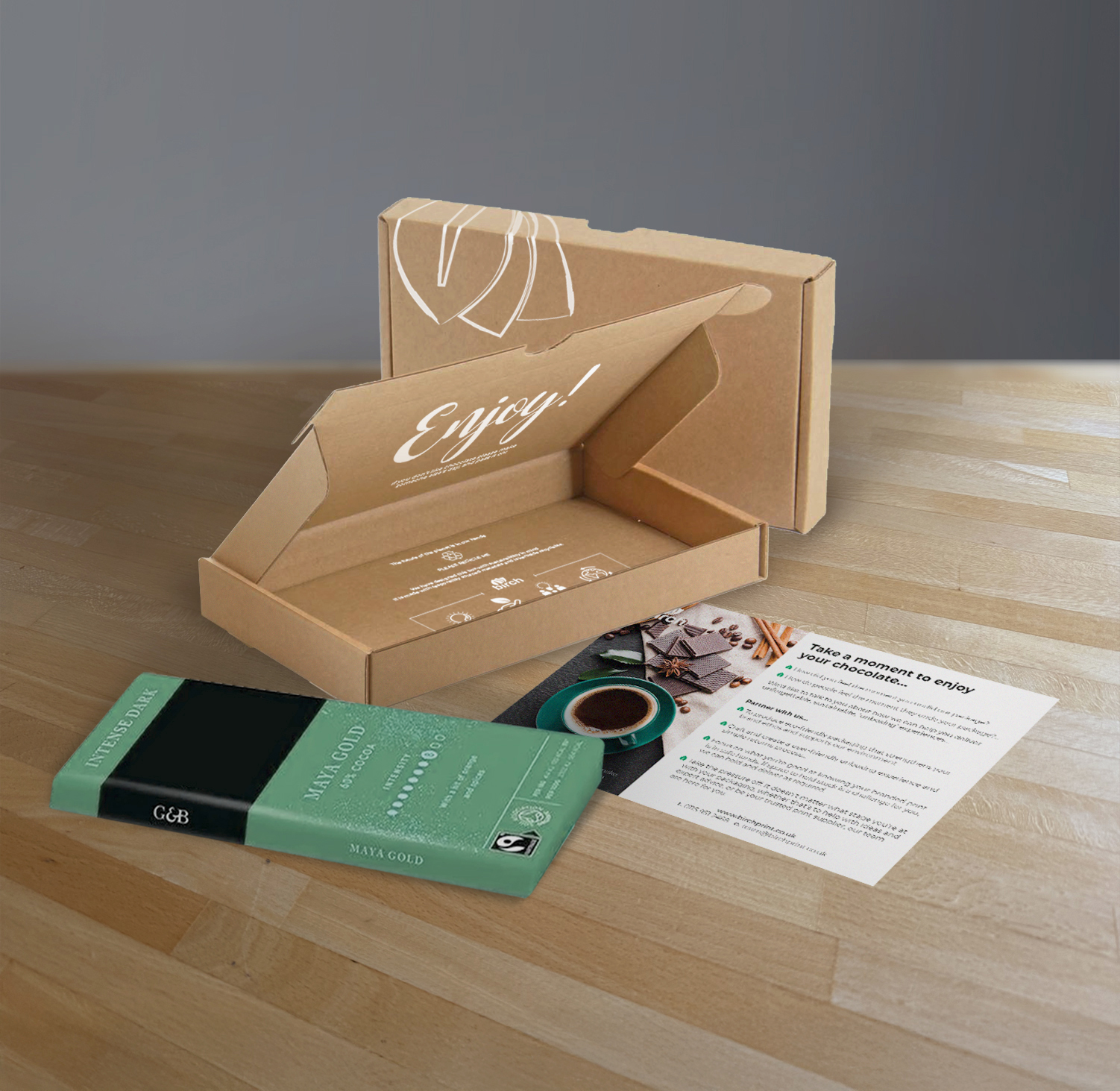
Minimum quantities matter
Printed packaging typically involves higher minimum order quantities than standard print because of the tooling and setup involved in die-cutting and structural production. If you’re a smaller business or you’re testing a new product, it’s worth asking about minimum quantities upfront and factoring that into your planning.
Running a shorter initial quantity and scaling up once the product is proven is a sensible approach, but you need to know what the minimum is before you commit to a production volume.
Lead times are longer than standard print
Custom packaging with structural complexity, special finishes, or bespoke dielines takes longer to produce than flat sheet print. A realistic lead time for a new custom packaging project, from brief to finished goods, is typically six to twelve weeks depending on complexity and whether tooling needs to be created.
If you’re working to a product launch date or a seasonal deadline, build that lead time into your project plan from the very beginning. It’s one of the areas where leaving things too late is hardest to recover from.
Think about compliance early
Certain categories of packaging carry mandatory information requirements: food packaging, cosmetics, electrical goods, and children’s products all have specific rules about what must appear on the packaging and how it must be displayed. These are easier to incorporate at brief stage than to retrofit into finished artwork.
If you’re not sure what applies to your product, flag it early and get clarity before the artwork is finalised.
Birch has experience across a wide range of packaging applications, from retail and food and drink to cosmetics and industrial products. Get in touch via the contact page to discuss your packaging requirements with the team.


