
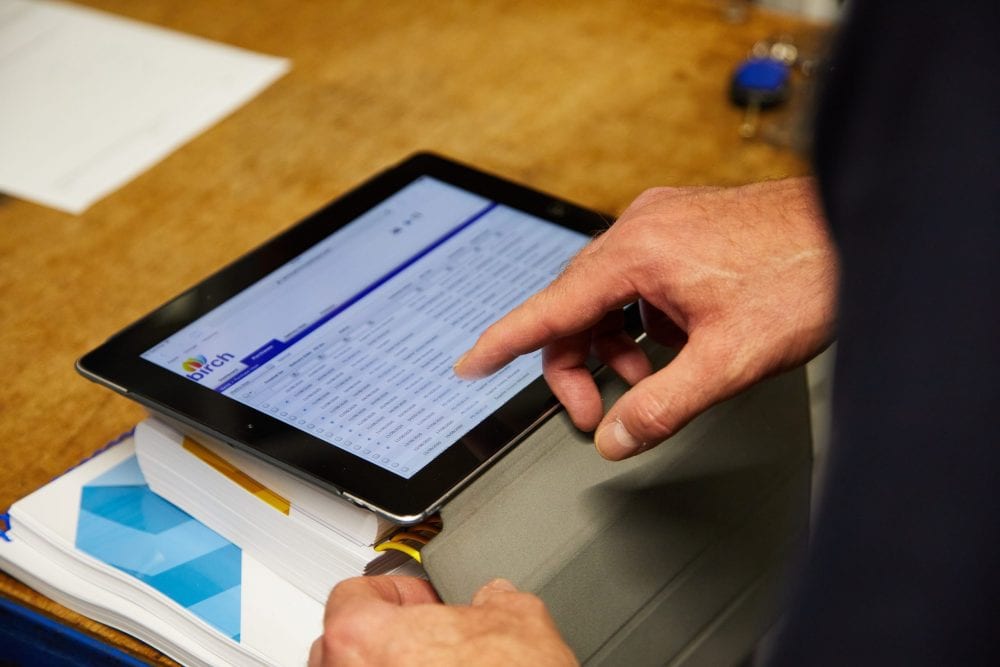
For many UK businesses, the logistical side of print is where pressure tends to surface most sharply. Materials may be produced on time, yet still arrive late, incomplete, or in the wrong quantities because distribution has not been planned with the same care as printing itself. As organisations grow, distribute across multiple locations, or run time-sensitive campaigns, print logistics becomes a central operational concern rather than a background task.
Print fulfilment logistics focus on how printed materials move from storage to destination in a controlled, repeatable way, supporting reliable delivery without requiring internal teams to manage dispatch on a daily basis.
What print logistics involve within a fulfilment environment
Within a print fulfilment service, logistics refers to the coordinated handling of storage, picking, packing, scheduling, and delivery. Printed items are held in a managed environment, where quantities are known and locations are fixed. Orders are prepared according to agreed processes, assembled accurately, and dispatched using planned courier routes rather than reactive bookings.
This differs from ad hoc distribution, where items are collected from printers, stored temporarily in offices or warehouses, and shipped as required. In a fulfilment environment, logistics are built into the workflow from the outset.
Why distribution becomes complex as activity increases
As businesses expand their use of print, distribution often becomes fragmented. Campaign materials may need to reach dozens of retail sites, sales teams may require kits at short notice, or regional offices may request different versions of the same item. Without a central logistics framework, teams may rely on manual sorting, individual courier bookings, or last-minute dispatch decisions.
Over time, this approach increases the risk of missed deadlines, incorrect deliveries, rising courier costs, and unnecessary internal effort. These issues tend to become most visible during peak periods, when volume increases and tolerance for delay is low.
How fulfilment logistics reduce delivery risk
A structured fulfilment model introduces predictability into distribution. Items are packed according to predefined rules, whether that means grouping materials by location, campaign, or recipient type. Dispatch schedules are planned rather than improvised, allowing deliveries to be sequenced logically and costs to be controlled more effectively.
This is particularly important for pick and pack activity, where multiple printed components must arrive together. A fulfilment partner manages this assembly within the logistics process, reducing the likelihood of incomplete or misdirected shipments.
Supporting multi-site and regional distribution
Businesses operating across multiple locations often face additional logistical challenges. Different sites may require different quantities, versions, or delivery dates, and coordinating these requirements manually can be time consuming. Print fulfilment logistics allow these variations to be managed centrally, with clear records of what has been sent, when it was dispatched, and what remains in stock.
This approach supports consistency across locations while still allowing flexibility for regional needs, which is particularly valuable for national campaigns or organisations with dispersed teams.
Making logistics predictable rather than reactive
One of the key advantages of managed print logistics is the shift away from reactive decision-making. When storage, packing, and dispatch are handled within a fulfilment system, businesses are less reliant on urgent courier bookings or last-minute problem solving. Delivery timelines become more reliable, internal workloads are reduced, and distribution supports campaign planning rather than undermining it.
For many organisations, this predictability is what allows print to scale without introducing additional operational strain.
A practical foundation for ongoing print activity
Print fulfilment logistics provide a stable foundation for businesses that rely on regular distribution of printed materials. By integrating logistics into the fulfilment process, organisations can manage delivery in a way that supports accuracy, cost control, and long-term planning.
Birch Print supports UK businesses by managing print logistics as part of a structured fulfilment service, helping organisations distribute materials reliably across locations and campaigns. If your organisation is reviewing how printed materials are stored and delivered, please feel free to contact our team. We would be pleased to discuss how a more coordinated logistics approach could support your operational needs.