What Is Variable Data Printing and When Is It Worth Using?
Variable data printing is a way of producing a print run where each piece carries something different. That could be a name, an offer, a unique QR code, a batch number or a whole section of artwork, all printed in a single run without stopping the press.
It’s the difference between a mailer that says “Dear Customer” and one that greets someone by name, points them to the branch down the road and gives them an offer they’ll actually use. Done well, it makes your print feel personal, your labels easier to trace and your results far easier to measure.
How does variable data printing work?
Variable data printing works on digital presses, which merge your data with your design as each piece is printed. There are no fixed plates, so the content can change from one sheet to the next without anyone stopping to reset anything.
You supply a data file, usually a spreadsheet, database or CRM export, and we merge it with your design. Each piece picks up its own details, and everything else, like your logo, branding and core product information, stays exactly the same. So you could have thousands of unique pieces, and it still runs as one job.
What can you personalise beyond a name?
A name is where most people start, but variable data printing can change far more than that. Depending on the job, it might include:
- Text: copy that speaks to a particular customer, group, region, branch or product.
- Images: different photos or graphics for different audiences.
- Offers: whole sections added, removed or swapped depending on who’s receiving it.
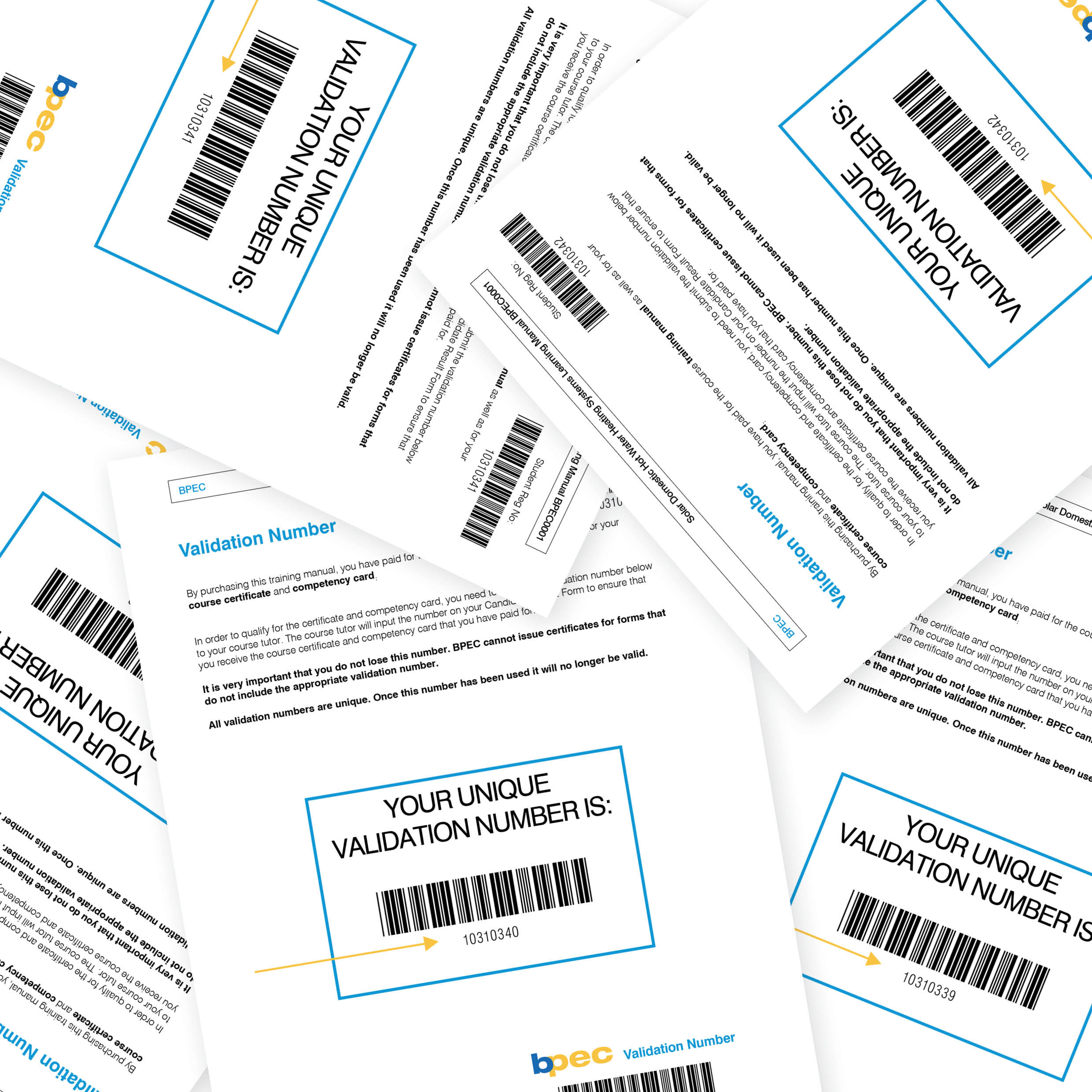
- Unique codes: individual barcodes, QR codes, voucher codes or reference numbers on every piece.
- Batch and date information: lot numbers and best before dates printed onto labels as part of the run.
- Locations: each customer pointed to their nearest branch, store or event.
- Language: several language versions within the same campaign.
Really, the limits come down to two things: how well organised your data is and how the artwork has been designed. Get those right and there’s plenty of room to be creative.
Where does variable data printing add the most value?
Variable data printing adds the most value in direct mail, product labelling and campaigns with lots of versions. We’ll be honest: it can cost a little more per unit than a standard digital run, so it’s worth using where it genuinely earns its place.
Direct mail is the classic example. A generic mailer might be relevant to everyone in a broad sense, but one that shows the right branch, the right products and an offer that fits feels like it was made for the person holding it. That’s what our direct mail campaigns are built around, and it’s a big part of why direct mail still wins over email for so many UK brands.
Product labels are another good fit. If you make food, cosmetics or pharmaceutical products, you’ll often need traceable batch numbers and accurate best before dates. Printing them as variable data ties each label to its real production batch, and makes it easy to add a unique QR code to every item. Have a look at our labels and stickers range if that sounds like you.
It can save a lot of hassle behind the scenes too. A campaign across twenty regions could once mean twenty sets of artwork, separate print runs and a stack of packing instructions. With variable data, it can all run as one job, then be sorted and sent out region by region. And because every piece can carry its own code, you can see exactly which responses came from where.
Why does clean data matter so much?
Clean data matters because a variable data job can only be as accurate as the data behind it. It’s worth a little tidying before anything goes to press: clear field names, information in the right columns, and a plan for any gaps.
Say your letter opens with “Dear [First Name]” and a few records don’t have one. The artwork needs to know what to print instead, so nobody ends up with an awkward blank. The same goes for addresses on anything being mailed, where a missing postcode can cause problems later. A quick clean-up at the start saves a lot of back and forth at proofing.

How should you design artwork for variable content?
Artwork for variable data printing needs to be designed with the data in mind from day one. Text boxes need room for the longest likely value, not the average. A space that looks lovely with “Ann” might feel a bit cramped with “Christopher”.
Images need sizes and crops that work in the same spot, and QR codes need to be big enough to scan on every version. If larger sections are changing, the layout has to work for every combination, not just the one in the visual. Our design for print team is always happy to help plan this before files are finalised.
How do you proof a variable data job?
Proofing a variable data job means testing the template against a small set of chosen records, not checking every piece. Don’t worry, nobody’s going to ask you to look through thousands of individual items. We pick records that push it to its limits: the longest and shortest names, records with missing details, unusual characters and an example from each customer or regional group.
Those edge cases are where any problems tend to hide. We’ll agree the proofing approach with you at the briefing stage, so you know exactly what you’re signing off, and it all sits alongside the checks in our five-stage quality assurance process.
What about personal data?
Any variable data campaign that uses customer information needs data protection built into the job. Personal data should be shared securely, handled under agreed processing procedures and kept only as long as it’s needed. Where a print supplier processes data on your behalf, everyone’s responsibilities under UK GDPR should be agreed and written down. It’s much easier to sort this at the start than when the final file is ready to send.
Digital, litho or a mix of both?
Variable data printing uses digital print, but the wider campaign around it might be printed digitally, on litho, or with a mix of both. It’s usually one part of a bigger project that might include fixed print, finishing, fulfilment and distribution. Depending on your volumes and spec, the whole thing could be printed digitally or use a mix of litho and digital, and the right choice depends on quantity, format, how much is personalised, turnaround and budget.
That’s where we come in. At Birch, we look at your campaign as a whole project, not just a print job. We’ll recommend the best production route, then take care of the print, data, finishing, fulfilment and distribution around it through our print management service.
Is variable data printing right for your next campaign?
Variable data printing is worth it if personalisation, targeting or juggling different versions would make your campaign work harder or feel easier to manage. That might be regional mailers, trackable QR codes or batch-coded labels. It works best when the data, design and production are planned together, and when the personal touch has a clear purpose.
Not sure if it’s right for you? Get in touch with the Birch team and we’ll talk it through. We can help with the whole thing, from sorting your data and artwork through to print, fulfilment and getting it out the door.